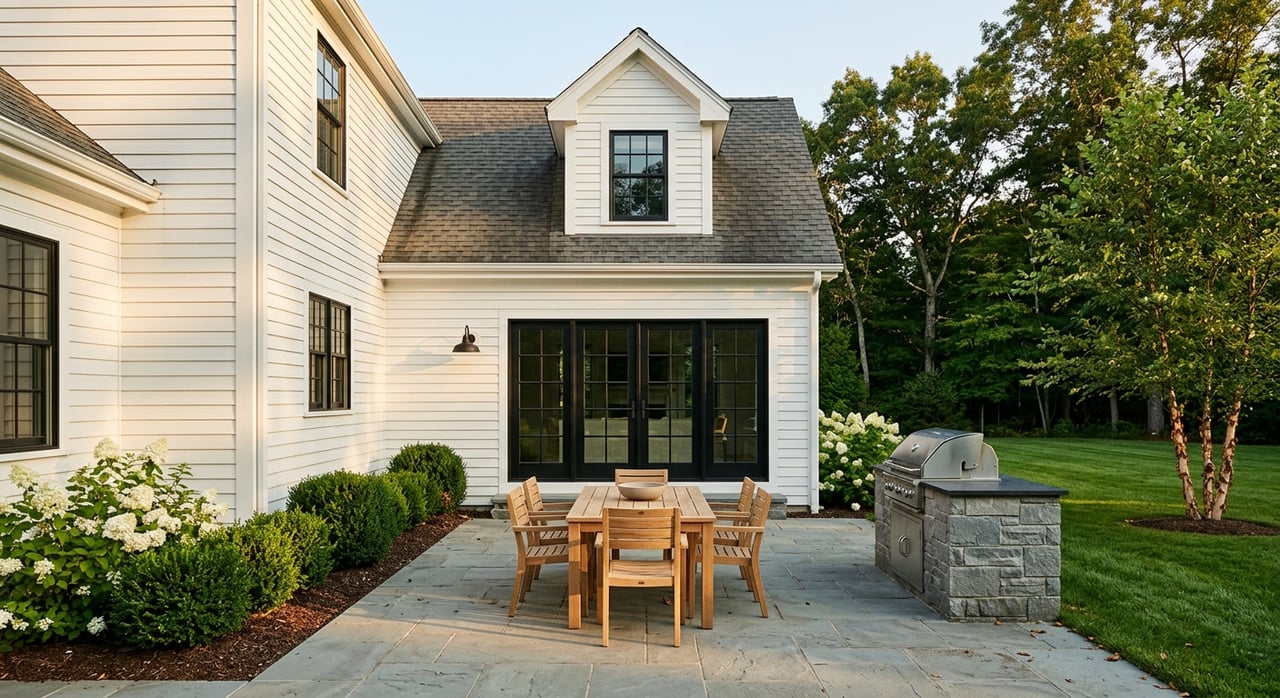
Thinking about a condo in the Center or a house with a backyard in Elmwood? You’re not alone. In West Hartford’s fast-moving market, choosing between a condo and a single-family home comes down to how you want to live, what you want to maintain, and how you want to budget. This guide breaks down the real differences in costs, lifestyle, and financing so you can make a confident choice. Let’s dive in.
West Hartford market snapshot
West Hartford has stayed active and competitive, with homes moving quickly in recent years. According to local reporting, median days to sell have often been in the single digits, which signals strong buyer demand and tight inventory. That pace affects how fast you need to decide and what you can negotiate (local market coverage).
Taxes also matter when you compare monthly costs. West Hartford assesses property at 70% of market value and applies the town’s adopted mill rate to that assessed value. The current real property mill rate is 44.78 mills, which you’ll use to estimate taxes for any property you’re considering (town assessor guidance).
Lifestyle is a big driver too. Walkable dining and shopping in West Hartford Center and Blue Back Square draw many buyers, while parks like Elizabeth Park and neutral information about local public schools often factor into decisions for those wanting more outdoor space or a different pace (West Hartford Public Schools, Elizabeth Park).
Condo vs house: what truly changes
Maintenance and responsibilities
- Condos: Exterior and common-area upkeep is usually handled by the association, funded by monthly dues. This can include the roof, siding, common landscaping, snow removal, and building insurance for shared spaces. You handle your unit’s interior. Connecticut’s Condominium Act spells out these divisions and your rights, so it’s smart to review the declaration, bylaws, and budget before you buy (Connecticut Condominium Act, state consumer condo FAQs).
- Houses: You manage everything from yardwork to roof repairs and snow. You gain control and flexibility, but you’ll want a maintenance line item in your monthly budget.
Why it matters here: Buildings near the Center can include amenities like underground parking and enhanced services, which is convenient but often reflected in higher dues.
Association fees, reserves, and surprise costs
HOA dues typically cover common maintenance, management, building insurance for shared elements, and reserves. The details vary by building, so the association budget and insurance certificate are key. Healthy reserves matter. If reserves are underfunded, owners can face special assessments for big projects, which can raise your monthly costs and affect resale. Ask for recent budgets, reserve balances, and meeting minutes to see what’s on the horizon (state consumer condo FAQs).
Practical tip: A $300 monthly fee often covers less than an $800 fee. Higher dues may include heat, hot water, garage parking, or concierge-level services. Compare what’s included line by line.
Financing and resale implications
Many condos are straightforward to finance, but lenders also look at the building itself. Fannie Mae and Freddie Mac require condos to meet project standards before conventional loans are widely available. Your lender can check a building using Fannie Mae’s Condo Project Manager. If the project isn’t eligible, you may face different loan requirements, which can impact both your purchase and future resale liquidity (Fannie Mae Condo Project Manager).
What to do: Have your lender review the project early, especially for older complexes or those with significant deferred maintenance.
Privacy, noise, and layout
- Condos: You’ll likely share walls and common entries. That can mean potential for neighbor noise and less privacy. We recommend visiting at different times and reviewing building rules on quiet hours and use of common spaces (state consumer condo FAQs).
- Houses: You’ll usually have more separation, your own yard, and options to reconfigure space as your needs change.
Outdoor space and parking
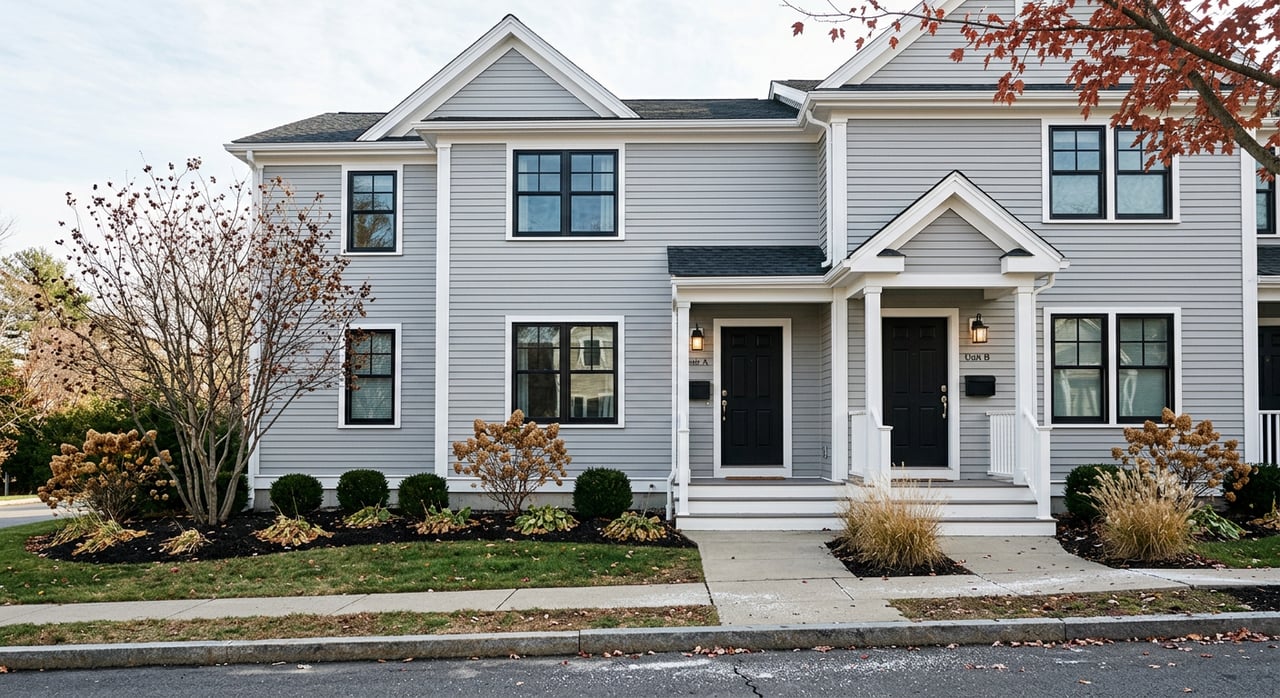
- Center condos: Expect balconies or small patios instead of full yards. Parking might be assigned surface spaces or garage spaces, sometimes with underground options in newer developments around Blue Back Square (Blue Back Square living overview).
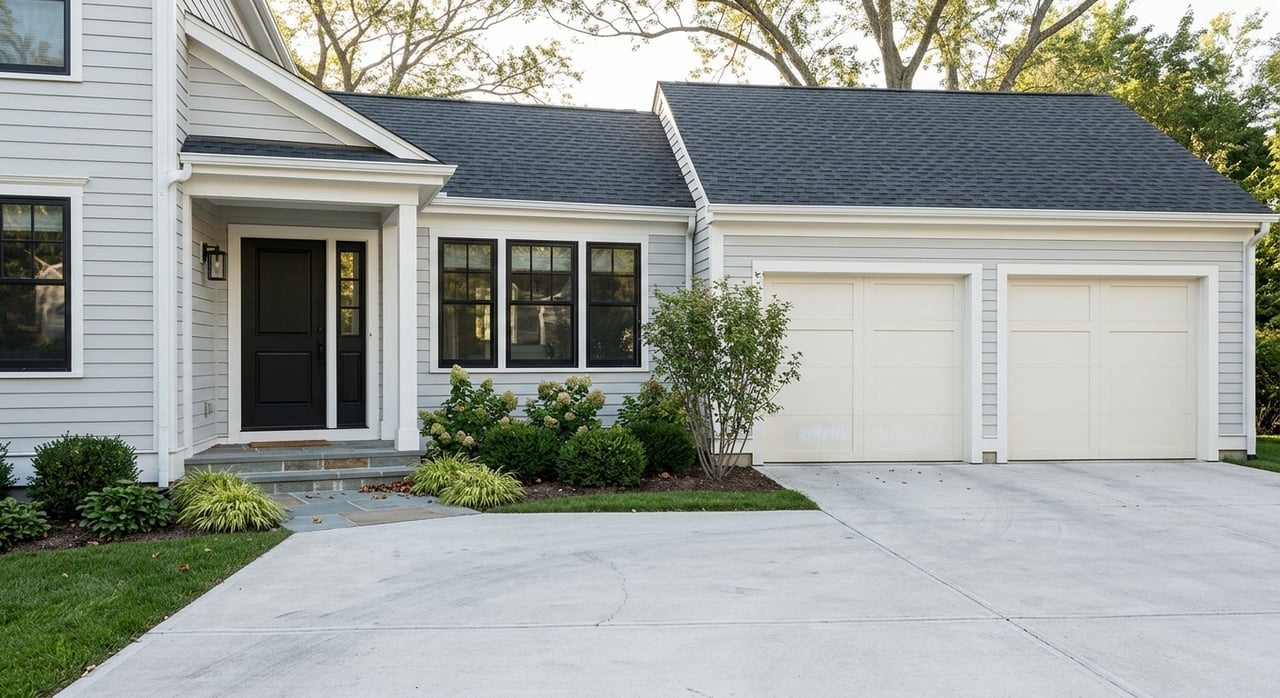
- Single-family homes: Driveways, private yards, and storage are standard, which is appealing if you want room for gardening or play.
Price, size, and location patterns
- Condos near the Center: Many one to two-bedroom condos and lofts in and around West Hartford Center trade in the low to mid hundreds of thousands, with larger townhomes and newer luxury options priced higher. HOA dues vary widely, and recent listing examples show monthly fees ranging from the low $300s to above $1,000 depending on amenities.
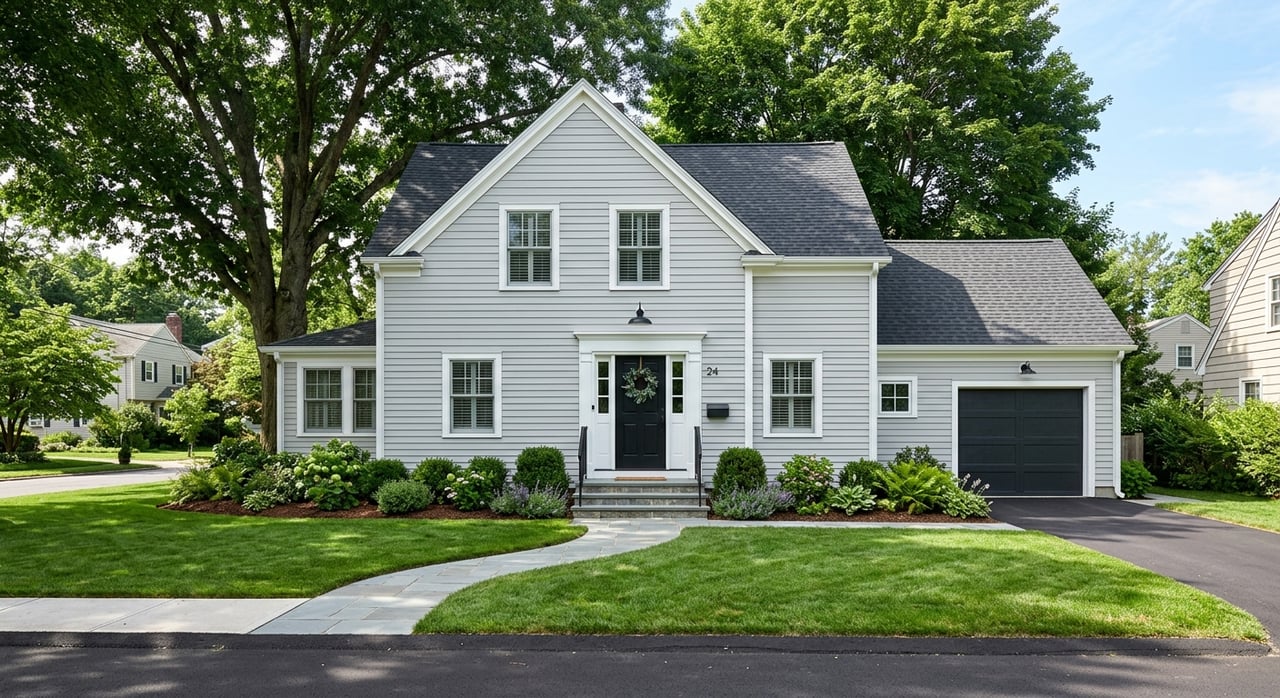
- Single-family homes: In-town homes near the Center or Park Road often list from the mid $400Ks upward, scaling with size and updates. Suburban pockets like Bishops Corner and Elmwood offer a range of price points and more space per dollar, while newer or extensively updated homes command more.
Note: Market numbers move month to month. Use these patterns as directional context and verify current pricing as you shop.
A cost comparison you can run
Here’s a simple framework to compare monthly costs. Adjust the numbers with your lender’s estimates and actual HOA details.
- Mortgage payment: Get a monthly principal and interest estimate from your lender for each property.
- Property taxes: West Hartford assesses at 70% of market value and applies a 44.78 mill rate. Formula: assessed value equals purchase price times 0.70. Annual taxes equal assessed value times 0.04478. Divide by 12 for monthly taxes (assessor overview).
- Insurance: For condos, add an HO-6 policy estimate. For houses, use a homeowners insurance estimate from your lender or insurer.
- Maintenance or HOA: For condos, add the monthly HOA dues. For houses, include a maintenance allowance that fits the age and condition of the property.
Illustrative example only:
- Condo at $375,000 with $550 HOA: Assessed value is $262,500. Annual taxes about $11,758, or roughly $980 per month. Add HOA and your insurance estimate to complete the picture.
- House at $475,000: Assessed value is $332,500. Annual taxes about $14,880, or roughly $1,240 per month. Add your homeowners insurance and a realistic monthly maintenance allowance.
This structure helps you compare apples to apples across different properties and neighborhoods.
Where each shines in West Hartford
When a condo makes sense
- You want walkable dining, coffee, and errands in West Hartford Center or Blue Back Square.
- You prefer minimal maintenance with services like snow removal and exterior care built into your dues.
- You value secured or underground parking and building amenities more than a private yard (Center living snapshot).
When a house is the better fit
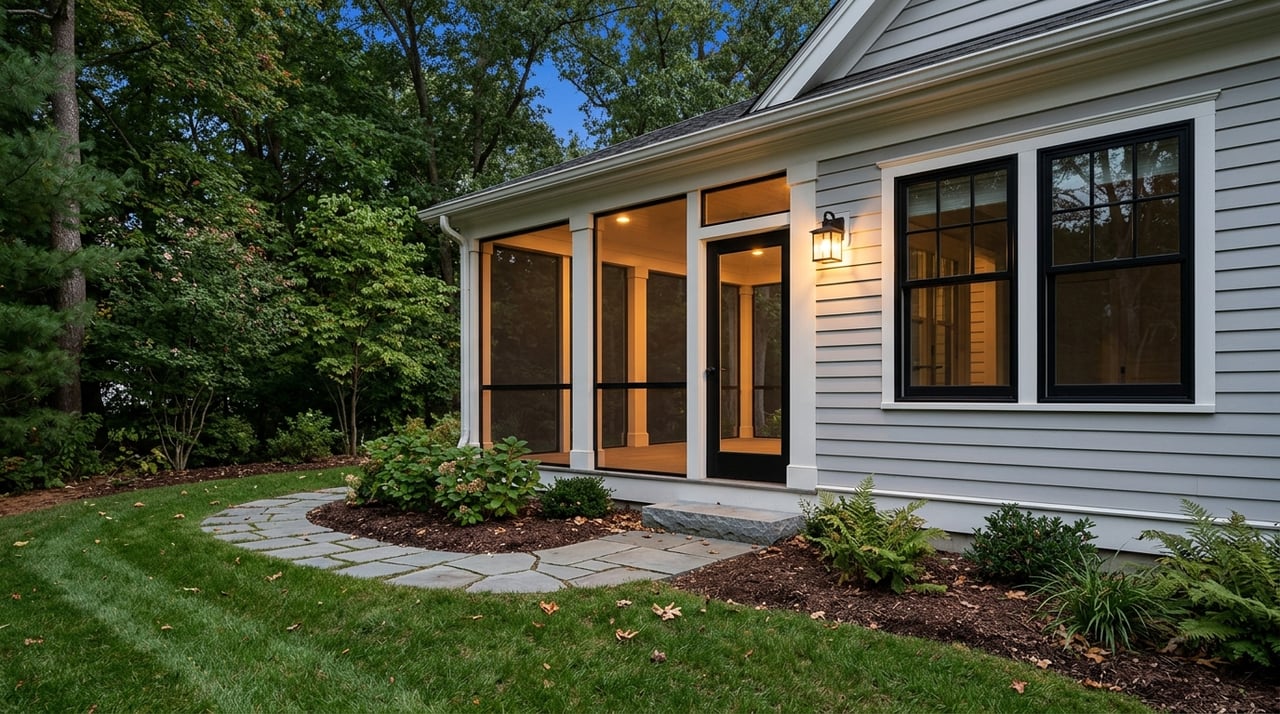
- You want a private yard, driveway, and room for storage or future changes.
- You like the feel of streets near Park Road, Bishops Corner, or Elmwood and want more space per dollar.
- You plan to host, garden, or need flexibility for multi-purpose rooms.
Decision checklist
If you’re leaning condo
- Review the full set of documents: declaration, bylaws, rules and regulations. Look for pet policies, leasing restrictions, noise rules, and renovation guidelines (state condo FAQs).
- Request the current budget, last 2–3 years of budgets, reserve study, and recent reserve balances. Ask about any planned capital projects or special assessments.
- Read the last 12 months of association meeting minutes to spot recurring issues or litigation.
- Get the association’s master insurance summary so your HO-6 policy is set up correctly.
- Ask your lender to check project eligibility through Fannie Mae’s Condo Project Manager. Confirm owner-occupancy and delinquency rates if available (Fannie Mae project standards tool).
If you’re leaning single-family
- Schedule a full home inspection that covers structure, roof, HVAC, plumbing, and electrical. Consider a sewer or septic evaluation and drainage review for older homes.
- Verify title details, easements, lot lines, and any historic-district or zoning restrictions that could affect future plans.
For both property types
- Confirm property taxes using the town’s assessment and mill rate method, then run a full monthly budget. Include HOA dues for condos or a maintenance allowance for houses (town assessor guidance).
- Consider how you’ll live day to day: commute patterns, access to parks like Elizabeth Park, and neutral research about area schools to align with your needs (Elizabeth Park, West Hartford Public Schools).
Final thought
There isn’t a one-size-fits-all answer. If you thrive on walkability and low upkeep, a Center-area condo could be perfect. If you want a yard, privacy, and room to grow, a single-family home in Park Road, Bishops Corner, or Elmwood may be the right move. A side-by-side budget and a clear view of lifestyle tradeoffs will point you in the right direction.
If you’d like tailored guidance, local comps, and help weighing financing options that fit your values, connect with Noora Brown. Schedule a consultation to compare specific West Hartford properties and make your best move.
FAQs
What costs do West Hartford condo fees usually cover?
- Many cover exterior maintenance, landscaping, snow removal, common-area utilities, management, and building insurance for shared elements. Always confirm line items in the association budget.
How do I estimate West Hartford property taxes when comparing homes?
- Multiply the purchase price by 0.70 to get assessed value, then multiply by 0.04478 for annual taxes. Divide by 12 for the monthly amount, plus your mortgage, insurance, and HOA or maintenance.
Are condo HOA fees tax-deductible for owner-occupants?
- Generally no for primary residences. There can be exceptions for rental properties. A tax professional can advise on your specific situation.
Can I get a conventional mortgage for any West Hartford condo?
- Not automatically. Your lender must confirm that the condo project meets Fannie Mae or Freddie Mac standards. Ask them to check Fannie Mae’s Condo Project Manager early.
What documents should I review before buying a condo?
- Request the declaration, bylaws, rules, current and recent budgets, reserve study, meeting minutes, and the master insurance summary. These show financial health, rules, and upcoming projects.
Which is more affordable long term: a condo or a house?
- It depends. Compare mortgage, taxes, insurance, and HOA dues for a condo against mortgage, taxes, insurance, and a realistic maintenance allowance for a house. The right answer varies by property and lifestyle.