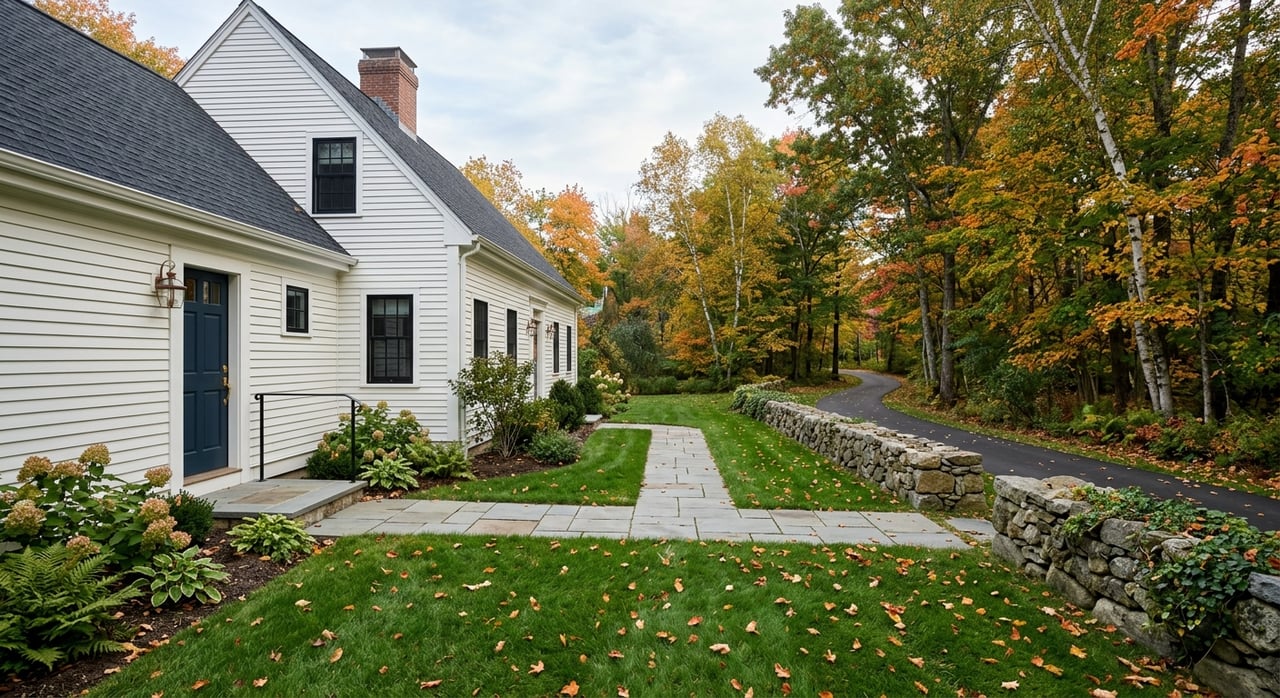
Farmington Canal Trail Homes and Lifestyle in Farmington
May 7, 2026
May 7, 2026
If you love the idea of stepping onto a paved trail for a morning walk, bike ride, or daily outing, life along the Farmington Canal Trail in Farmington can be especially appealing. You may be looking for a home that supports an active routine, easier local access, or a stronger connection to the outdoors without giving up convenience. This guide will help you understand what the trail adds to daily life, what kinds of homes you may find nearby, and what tradeoffs to weigh before you buy. Let’s dive in.
The Farmington Canal Heritage Trail is a paved, multi-use path that follows the former Farmington Canal and railroad corridor. In Farmington, the town says there are 4.8 miles of trail, and the wider network is part of the East Coast Greenway.
For many buyers, that matters because the trail is not just a weekend feature. Farmington describes it as both a recreation corridor and an active transportation corridor, with point-to-point access for commuting, exercise, and everyday movement.
The trail is open year-round from sunrise to sunset unless posted otherwise. Completed sections are accessible for wheelchairs and strollers, and Class 1 and 2 e-bikes are allowed.
Living near the trail can make outdoor activity feel simple and consistent. Instead of planning a trip to a park, you may be able to head out for a walk, jog, inline skate, or bike ride right from a nearby street or parking access point.
That ease of use is a big part of the lifestyle. Farmington highlights the trail system as a place for healthy activity and practical movement, which helps explain why the corridor feels valuable to both casual users and people who want more active routines.
The trail also connects to a broader local system. Near Tunxis Mead Park, the Farmington Canal & River Trail forms a 3.8-mile loop, and the Heritage Bridge Trail passes the Farmington Boat House.
That wider network adds variety. You are not limited to one straight paved path, which can make the area feel more dynamic if you enjoy mixing scenic routes with shorter local outings.
One practical advantage of the Farmington section is that access is spread across multiple parking areas. That gives you more flexibility depending on where you live or where you want to start.
Key Farmington-area parking access includes:
If you are exploring neighborhoods nearby, these access points can help you get a more realistic feel for day-to-day convenience. A home may not sit directly on the trail to still benefit from it.
The Canal Trail is only part of the picture. Farmington’s trail and recreation materials point to other outdoor options, including Shade Swamp Sanctuary and Suburban Park.
The town also notes paved access to fishing piers along a quieter stretch of the river in both Farmington and Unionville. For buyers who want outdoor variety close to home, this broader mix can add to the appeal.
This is one reason trail-adjacent living in Farmington feels bigger than one amenity. You are often buying into a pattern of outdoor access, not just one path.
One of the most important things to know is that the housing picture along the corridor is mixed. Farmington’s housing plan describes the town as having everything from rural areas with large lots and open space to historic mixed-use villages and more active commercial corridors.
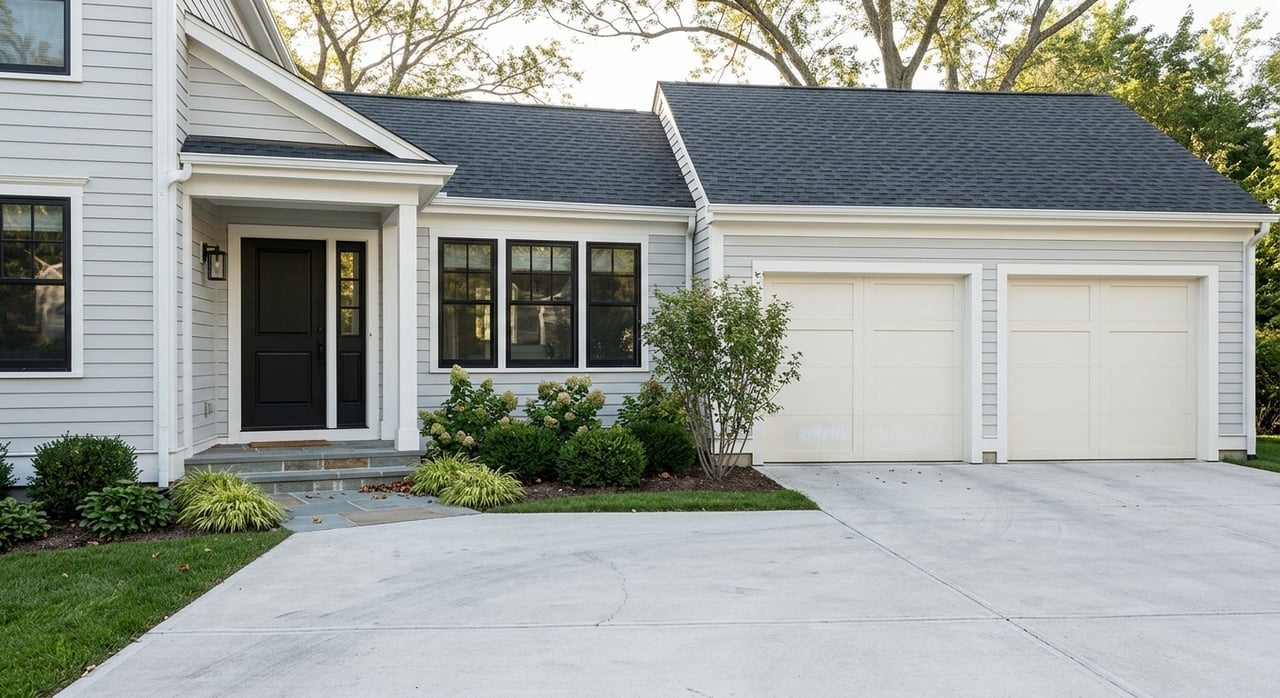
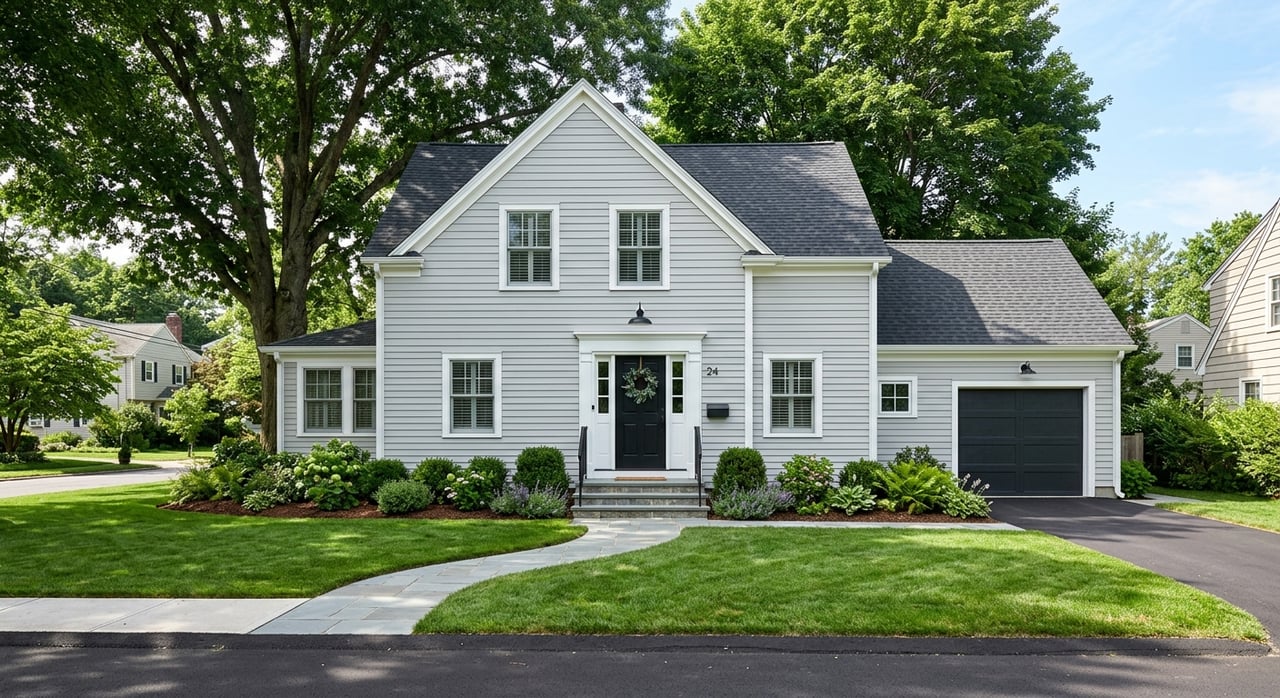
That means there is no single “trail home” type. Depending on the section of Farmington you focus on, you may see older historic homes, traditional single-family properties, village-area housing, and some attached or multi-unit formats.
The town also says Farmington has diverse housing stock across styles, sizes, and price points, though that diversity is thinner at the most affordable end. It also notes that more than 60% of households are one or two people, while more than 60% of housing units have three or four bedrooms.
For you as a buyer, that can shape expectations. If you want a smaller or lower-maintenance home near the trail, your choices may be more limited than if you are open to a larger single-family home.
If you are drawn to character and history, parts of the trail corridor may feel especially appealing. Farmington’s self-guided walks highlight Unionville’s historic center, 19th-century homes tied to the canal era, and even colonial-era homes dating from 1640 to 1799.
The Farmington Village Historic District was established in 1964, and the Unionville Historic District was established in 2008. These areas can offer a strong sense of place and architectural interest that many buyers find hard to replicate in newer neighborhoods.
That said, historic character often comes with added planning. If you are considering an older home in a historic district, it is smart to understand the review process before you fall in love with a project.
Farmington’s housing plan notes that housing options can include single-family homes, duplexes, townhomes, and apartments. The town also allows attached and detached accessory dwelling units, subject to detailed rules on size, lot, parking, and placement.
This gives the trail area a more layered housing pattern than some buyers expect. In some stretches, you may find lower-density residential settings, while in others you may be closer to village centers or corridor-style development.
Geography matters a lot along the trail. Farmington’s housing plan identifies Unionville, Farmington Center, the UConn Health Center neighborhood, and the Route 4 and Route 6 corridors as areas with sewer and water service.
The same plan says higher-intensity housing should be clustered along arterial roadways. In real terms, that means your experience near the trail can shift depending on whether you are closer to quieter residential streets or nearer to busier roadway corridors.
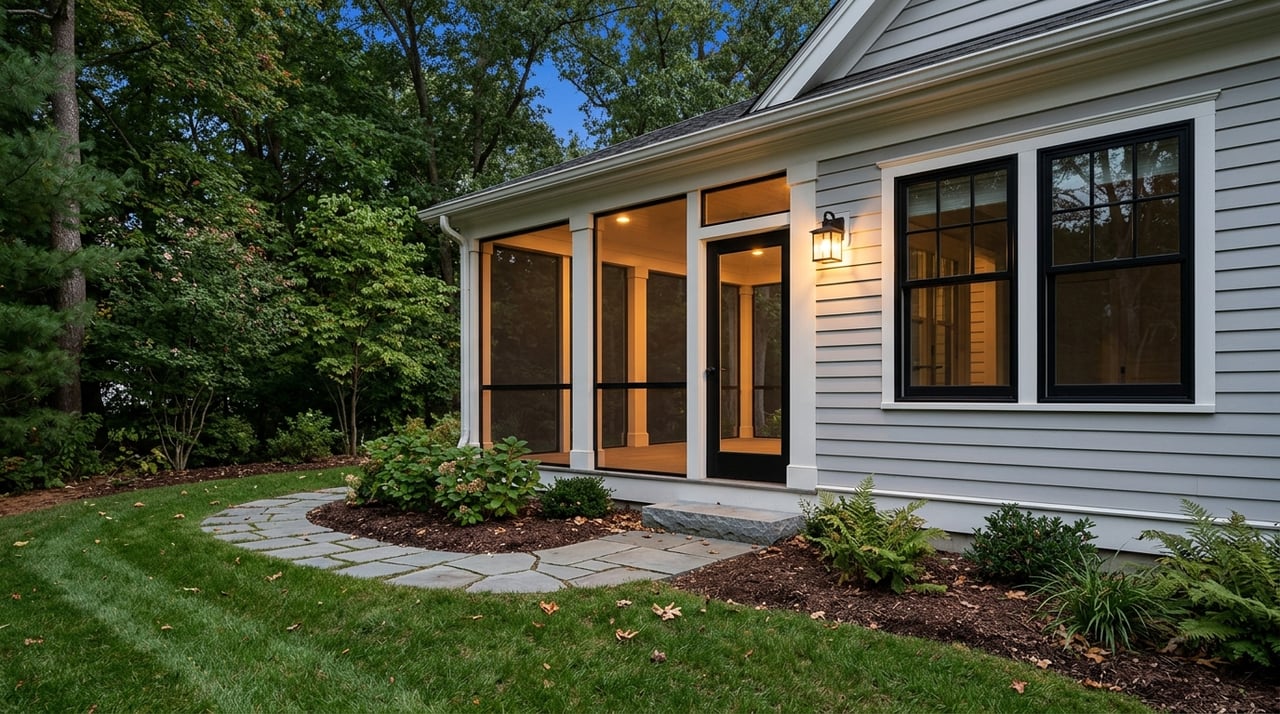
Some buyers want quick access and convenience. Others want more privacy and a wooded feel. Along the Canal Trail in Farmington, you may need to balance those priorities rather than expect both in every location.
Buying near the trail can be a great lifestyle move, but it helps to go in with clear expectations. The right fit depends on how you use your home and how you want your surroundings to feel.
Here are a few practical things to weigh:
None of these points are deal breakers. They simply help you match your home search to the lifestyle you actually want.
Life near the Farmington Canal Trail can be especially attractive if you want movement and convenience built into your week. You may appreciate it if you enjoy biking, walking, jogging, or simply having a paved outdoor route nearby for fresh air and routine.
It can also be a strong fit if you are relocating and want a part of Farmington that offers both recreation and practical access. For some buyers, the trail becomes part of how they evaluate neighborhoods, not just an extra feature.
If you are comparing different parts of Farmington, it helps to think beyond the map. The key question is how close you want to be to trail access, village character, road convenience, and home style.
If the Canal Trail is part of your home search, try to evaluate homes through both a property lens and a lifestyle lens. A beautiful house may feel different once you account for trail access, roadway proximity, historic district rules, and the kind of outdoor setting you want.
A smart search often starts with a few simple questions:
When you answer those clearly, the search becomes more focused. You can better identify which parts of Farmington support your routine, your preferences, and your long-term plans.
Whether you are relocating, buying your first home in the area, or looking for a move-up property with stronger lifestyle appeal, understanding the Canal Trail corridor can help you make a more confident decision. If you want guidance on where trail access, home style, and day-to-day convenience come together in Farmington, connect with Noora Brown for a personalized consultation.
Stay up to date on the latest real estate trends.
A new national report says late September is the best week to buy a home in 2026. Here's why that math doesn't hold up in Avon and Farmington — and what to do instead.



A trusted real estate professional known for her integrity, personalized service, and strong commitment to her clients. With deep roots in Connecticut and expert knowledge of Hartford County, she offers valuable insight that helps buyers and sellers make confident, informed decisions. Backed by the global reach of William Pitt-Sotheby’s, she blends local expertise with world-class resources to consistently deliver exceptional results. Whether you're buying your first home or selling a long-time residence, she is dedicated to making your real estate journey smooth, strategic, and successful.