Trying to choose between a brand-new build and a charming resale in Farmington? You’re not alone. The right answer depends on your budget, timing, and lifestyle priorities. In this guide, you’ll compare real costs, timelines, inspections, and location trade-offs specific to Farmington so you can move forward with confidence. Let’s dive in.
Farmington at a glance
Farmington is a suburban Hartford-area town with historic neighborhoods, newer subdivisions, and easy access to I-84 and Routes 6 and 10. Many addresses sit about 20 to 30 minutes from downtown Hartford, and UConn Health is nearby. Commute times vary by address and traffic, so verify your route with mapping tools before you commit.
Local rules and infrastructure matter here. Building permits and inspections run through the Town of Farmington, and zoning, wetlands, and stormwater requirements can influence where and how you build. Property taxes are set locally, so confirm mill rates and assessments with the town’s assessor. If schools are a factor in your decision, review assignments directly with Farmington Public Schools.
Cost comparison: new vs. resale
Purchase price and upgrades
- New construction often carries a 10 to 30 percent premium per square foot compared to similar resale homes. The difference depends on lot value, builder margins, and finish level.
- Many builders price finishes as options. It’s common to spend an additional 10 to 30 percent above the base price for desired upgrades like hardwoods, tile, appliances, or a finished basement.
- Resale homes can offer more space for the dollar if you are open to cosmetic updates or phased improvements.
Site and infrastructure costs
- Site work in Connecticut can be a big variable. Tree clearing, grading, and ledge removal or rock blasting can add significant costs that depend on the lot.
- Confirm utilities early. Some lots connect to town water and sewer, while others require a well and septic system. Septic design and installation can range from several thousand to tens of thousands depending on soils and perc tests.
- Driveways, landscaping, and stormwater controls may not be included in a builder’s base price. Get itemized estimates before you sign.
Carrying costs, taxes, and insurance
- Property taxes depend on assessed value and the local mill rate. For current rates and assessment procedures, check with the Farmington Assessor and Tax offices.
- Newer homes can be cheaper to insure because systems and materials meet current codes. Ask your insurer to quote both a new build and the resale you are considering.
- New construction often performs better on energy use due to modern insulation and HVAC. Keep in mind that larger square footage or luxury features can offset savings.
Closing costs and deposits
- Typical buyer closing costs for both paths can run around 2 to 5 percent of the purchase price. Confirm with your lender and attorney based on your specifics.
- Builders may require different deposits or construction draws. Resale transactions usually follow a standard mortgage timeline with a 30 to 60 day closing.
- Compensation for buyer representation can differ with builders. Clarify whether the builder contributes, and protect your interests with proper representation.
Financing differences
- Resale purchases typically use conventional, FHA, or VA loans with down payments from about 3 to 20 percent depending on the product.
- New construction often uses a construction-to-permanent loan with staged disbursements. Down payments can be higher and interest may accrue during the build. Review the basics with the Consumer Financial Protection Bureau.
- Longer build times increase interest-rate risk before you convert to permanent financing. Ask about rate lock options on construction-to-perm loans.
Timelines and process
Resale timeline
- Once under contract, most financed resale purchases close in about 30 to 60 days. The contract typically includes inspection and appraisal windows.
New construction timeline
- Many single-family builds take about 6 to 12 months from groundbreaking to completion, depending on complexity, weather, site conditions, and permit timing. Custom homes can take longer.
- Permitting and approvals vary by scope and town workload. Zoning variances or wetlands permits can add months. Start early with the Town of Farmington Building and Zoning Departments.
- If a builder already started a spec home, your move-in date could be faster.
Inspections and warranties
What to inspect
- New construction has municipal inspections for code compliance at key stages, but you should still hire an independent inspector.
- For new builds, plan inspections at pre-drywall, mechanical systems, and final walk-through. Consider specialty tests like radon and septic.
- For resales, a general home inspection plus specific checks for radon, septic, and older-home risks can reduce surprises.
Warranties and remedies
- Builder warranties often include 1-year workmanship and materials, systems coverage for around 2 years, and structural coverage that can extend up to 10 years. Confirm the exact terms and the warranty provider.
- Resales do not include a builder warranty by default. You can purchase a third-party home warranty for systems and appliances during negotiations.
- For contractor licensing and consumer guidance in Connecticut, consult the Connecticut Department of Consumer Protection. A local real estate attorney can help you understand your options if issues arise.
Location and lifestyle trade-offs
Neighborhood character
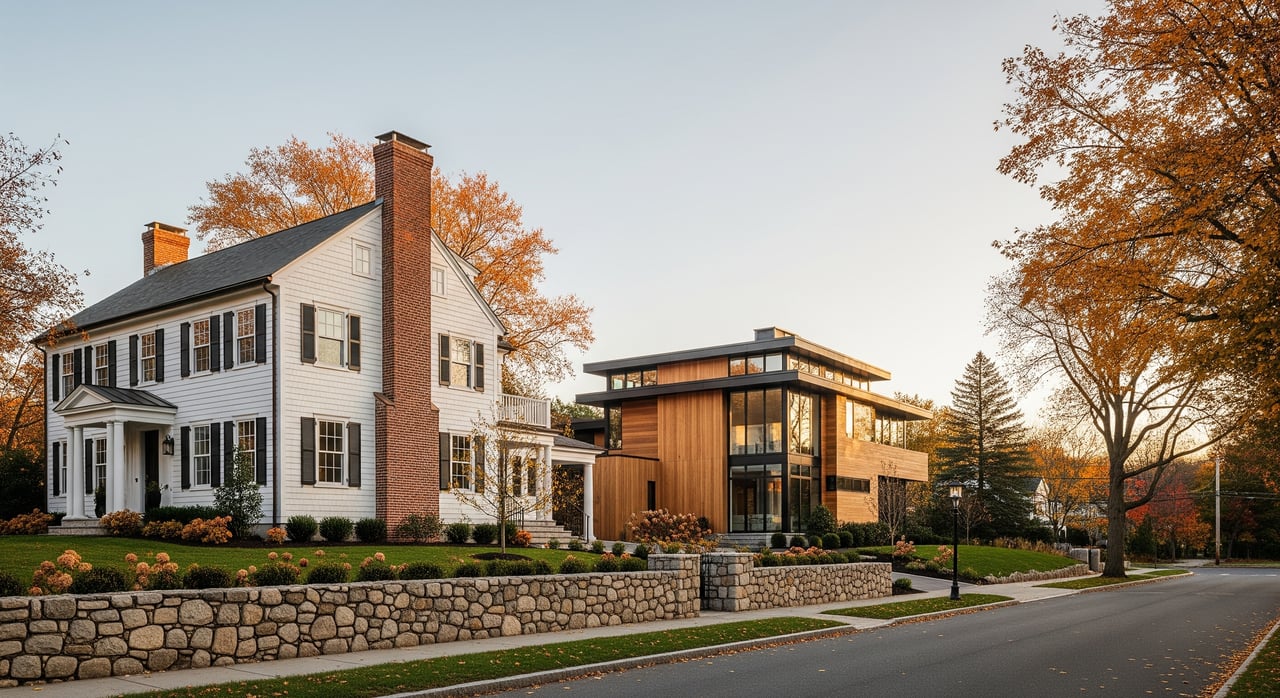
- Resale homes often sit in mature neighborhoods with established trees and landscaping. Many are closer to downtown shops and services.
- New-build communities tend to offer modern floor plans, home offices, energy efficiency, and lower initial maintenance.
Commute and access
- New development often happens on the town’s edges, which can affect commute time or walkability. Central resale locations may offer shorter drives to amenities.
- Verify your specific commute during peak hours before you choose a lot or neighborhood.
Schools and long-term value
- School assignments can influence long-term value. For current attendance boundaries and enrollment details, contact Farmington Public Schools.
- Whether you choose new or resale, location and school assignment typically have a larger impact on resale value than finish level.
HOA considerations
- Many new subdivisions have homeowner association rules, common-area maintenance, and monthly fees. Review fees, covenants, reserves, and enforcement.
- Older neighborhoods may have no HOA, which can mean fewer restrictions but more variability in appearance and upkeep.
Environmental and site factors
- Ledge is common in parts of Connecticut, which can drive up excavation and blasting costs for new builds.
- Wetlands and inland watercourse regulations may limit buildable areas or require mitigation.
- Review floodplain and stormwater considerations with the town and your engineer before you purchase a lot.
Decision framework: which path fits you?
Ask yourself these three questions:
Budget: What is your true all-in number? For new construction, include base price, site work, upgrades, and carrying costs during the build. For resale, include immediate repairs and phased updates.
Timing: How soon do you need to move? Resale typically gets you in within 30 to 60 days. New builds take longer but offer customization.
Lifestyle: Do you value an established neighborhood close to services, or a modern layout tailored to how you live today?
Questions to ask builders
- What is included in the base price versus options? Request a written inclusions list.
- Who provides the warranty and what does it cover? Confirm durations, exclusions, and claim steps.
- What is the expected timeline and what happens if delays occur?
- Who manages site work, utility hookups, erosion control, and road access?
- Can you tour completed homes locally and speak with recent clients?
- How is buyer representation handled and who pays the commission?
Questions to ask resale sellers
- What repairs or updates have been completed recently? Ask for receipts.
- Are there known issues such as radon, septic concerns, lead paint, or moisture intrusion?
- What are recent utility costs and the current property tax assessment?
- Are there disclosures, prior inspections, engineering reports, or permits on file?
- Are there easements or planned changes nearby that could affect the property?
Next steps in Farmington
- Talk to the Town of Farmington about permits, zoning, and current mill rates so you understand timing and carrying costs.
- If you are considering a new build, explore construction-to-permanent loan options early and review guidance from the Consumer Financial Protection Bureau.
- Schedule independent inspections for either path, and consider phased inspections for new construction.
If you want tailored guidance on lots, neighborhoods, builder reputations, or resale opportunities, connect with Noora Brown. You’ll get local expertise, concierge-level support, and access to culturally sensitive resources, including Sharia-compliant financing referrals and multilingual assistance when needed.
FAQs
How long does it take to build a new home in Farmington?
- Many single-family builds take about 6 to 12 months from groundbreaking, depending on complexity, weather, site conditions, and permit timelines.
What are typical closing costs for buyers in Farmington?
- Buyer closing costs commonly range from about 2 to 5 percent of the purchase price, but you should confirm with your lender and attorney.
Do I still need inspections on new construction?
- Yes. Plan independent inspections at pre-drywall, mechanical systems, and final stages, plus optional tests like radon and septic.
How do property taxes differ between new builds and resales?
- Taxes reflect assessed value and the mill rate. New construction may be reassessed. Verify details with the Farmington Assessor.
What financing should I expect for new construction?
Are HOAs common in Farmington’s new subdivisions?
- Many new communities have HOAs with fees and covenants. Review the rules, fees, and reserves before you commit.