Thinking about making a move to Avon but want the real, day-to-day picture first? You’re not alone. Whether you’re relocating for work, drawn by the town’s reputation for strong schools, or simply want more space and access to the outdoors, it helps to understand the lifestyle and trade-offs before you decide. In this guide, you’ll learn how long the commute really takes, what daily errands feel like, where people go to play and shop, and what to expect from the housing market. Let’s dive in.
Where Avon fits in Connecticut
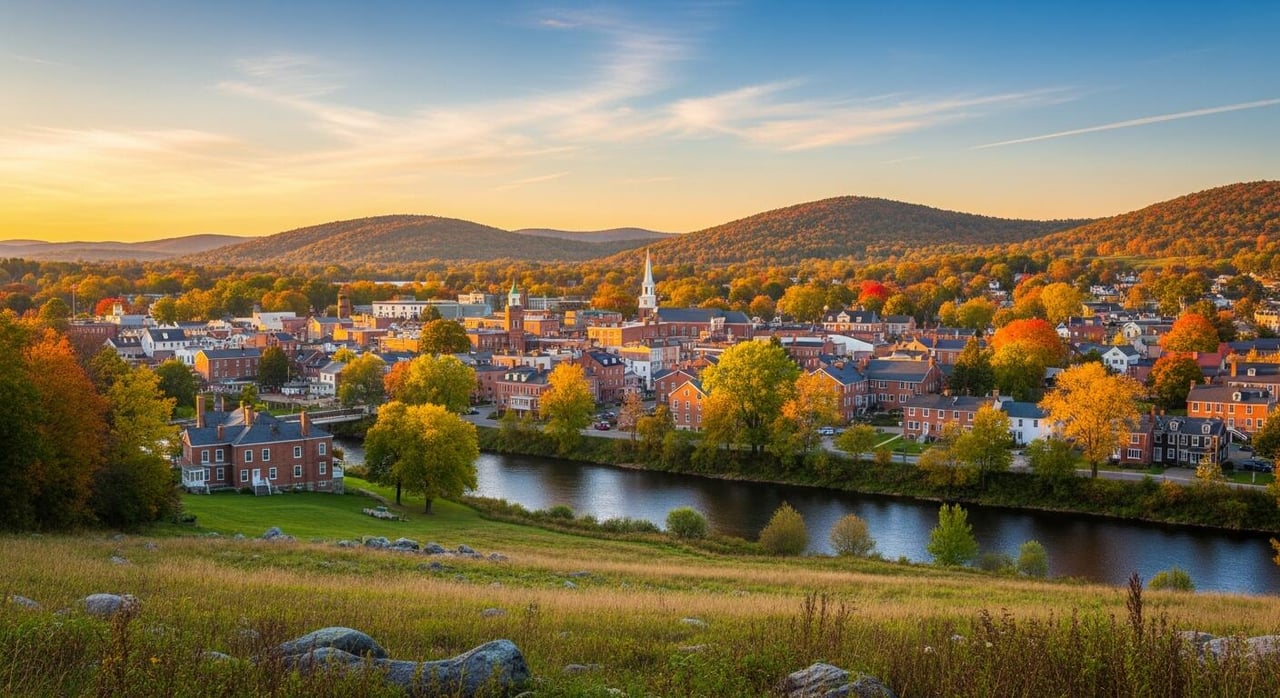
Avon is a suburban town just west of Hartford in central Connecticut. It has a mostly residential feel with a historic village center and commercial corridors along the main roads. The population is about 19,000, which gives it a small-to-mid-sized suburban scale.
You sit between Farmington, West Hartford, and Simsbury, with downtown Hartford roughly 10 to 20 miles east depending on your starting point. That location offers quick access to regional employers and cultural amenities while keeping a quieter, suburban pace at home.
Climate and seasons
You’ll experience a classic New England four-season climate. Winters are cold and snowy, which makes snow removal and driveway access part of daily planning. Summers are warm and humid, with spring and fall drawing many people outside for yardwork, hiking, and local events.
Commute and getting around
Driving is the norm in Avon. Outside of the village area, most errands and commutes assume a car.
Driving realities
- The typical drive to downtown Hartford often takes about 25 to 35 minutes in normal traffic. Your time varies by where you live in town and time of day.
- Route 44 is the main east to west corridor and a frequent route into Hartford connections. I-84 is reachable within a short drive, depending on your location.
- The stretch along Route 44 known locally as Avon Mountain can get congested and can be tricky in winter weather.
Transit and alternatives
- Avon does not have a commuter rail station. Regional bus and express services operate in the greater Hartford area, with many routes centered on larger hubs like West Hartford, Farmington, and Hartford.
- Park and ride options in nearby towns help some commuters shorten the daily drive.
- Remote and hybrid work patterns have eased daily commuting for many residents since 2020.
Winter driving tips
- Budget extra time during snow or ice events, especially when crossing Avon Mountain.
- When home shopping, consider driveway grade and length, garage access, and space for snow removal.
Outdoor life and recreation
Access to the outdoors is a major part of living in Avon and the Farmington Valley.
Parks, trails, and the river
- You’ll find neighborhood parks and municipal green spaces for casual walks, sports, and playground time.
- The Farmington River corridor and nearby state and local natural areas expand your options for hiking, running, biking, fishing, and paddling.
- Institutional greenspaces, including the Avon Old Farms campus, add to the open-space character in parts of town.
Golf and organized recreation
- Several golf courses and private clubs are within a short drive of most Avon neighborhoods.
- The town’s recreation department typically runs youth sports, adult leagues, and seasonal programs that keep families engaged throughout the year.
Community events and culture
- Expect a small-town calendar that includes seasonal markets, holiday events, and summer concerts.
- For a wider range of restaurants, entertainment, and arts, you’re a short drive from West Hartford Center and downtown Hartford’s theaters and museums.
Shopping, dining, and everyday services
Avon offers what you need day to day, with more variety close by.
- The historic village center and nearby corridors host a cluster of local restaurants, cafés, and small businesses.
- Larger shopping centers, grocery stores, and services line main arteries, especially along Route 44.
- For major retail and big-box stores, many residents take a short drive to neighboring towns.
- Healthcare is readily accessible. Routine care and specialty providers are found locally or in nearby Farmington and Hartford, often within a 15 to 30 minute drive. Regional hospitals and emergency care are also a short drive from most parts of Avon.
Housing and neighborhoods
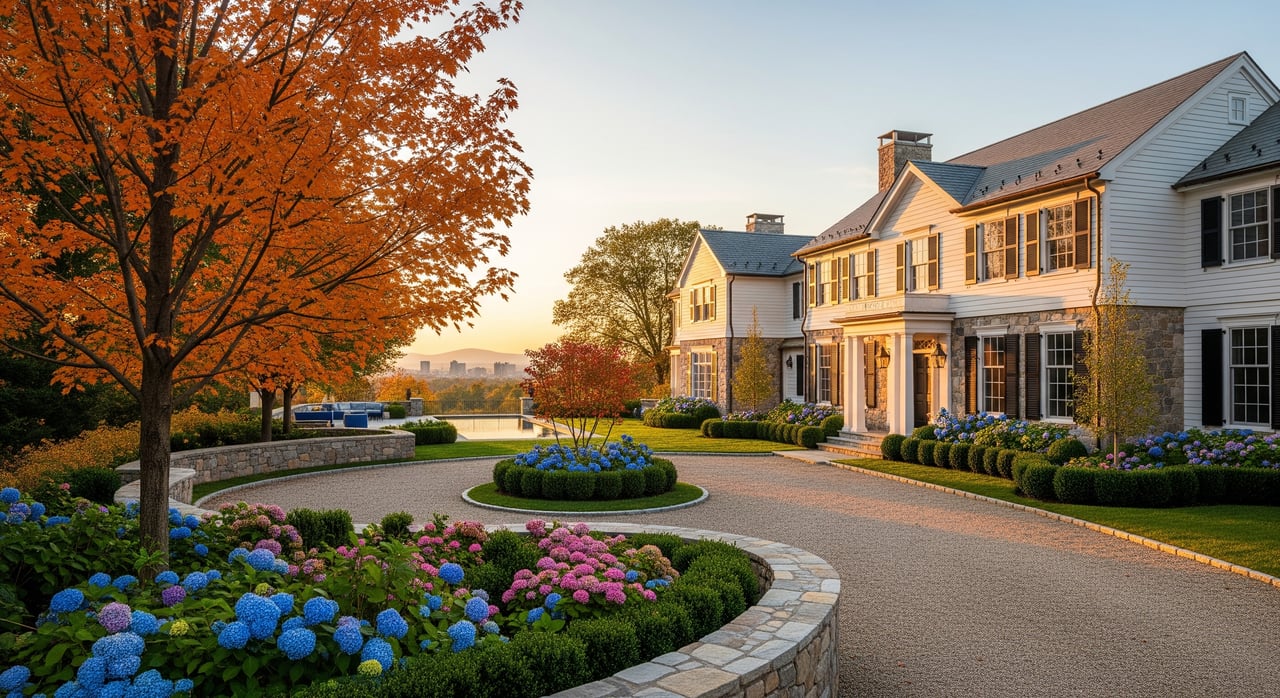
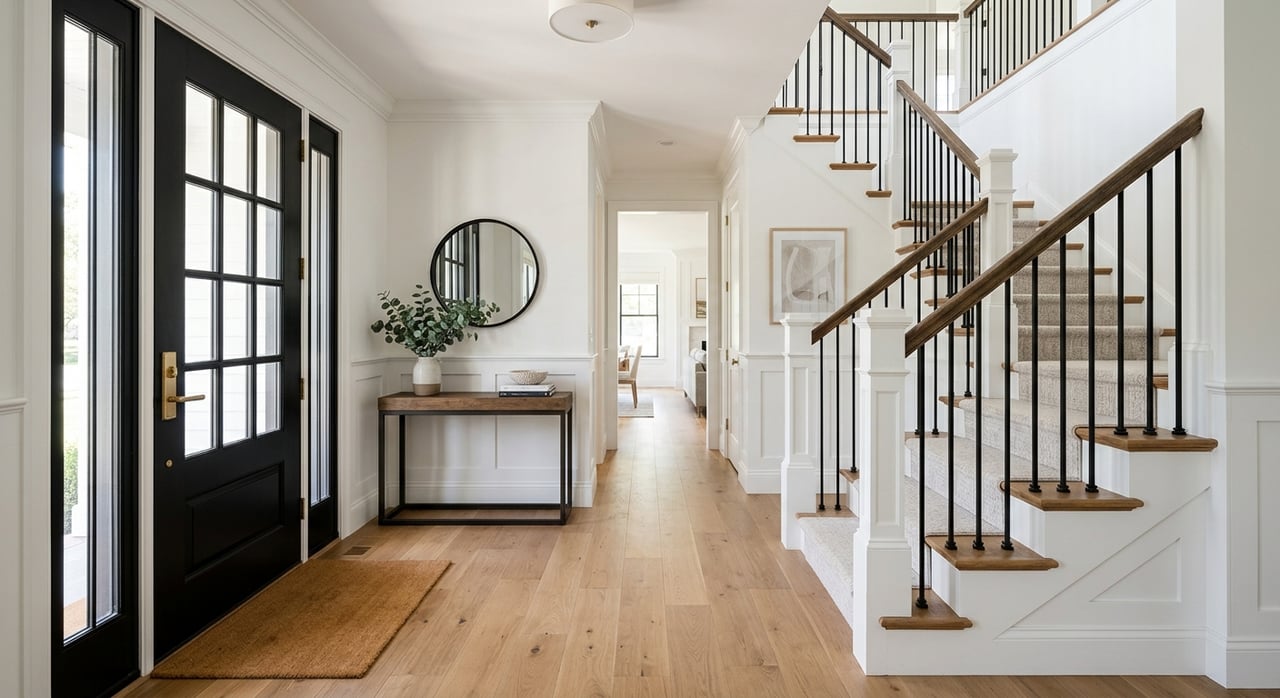
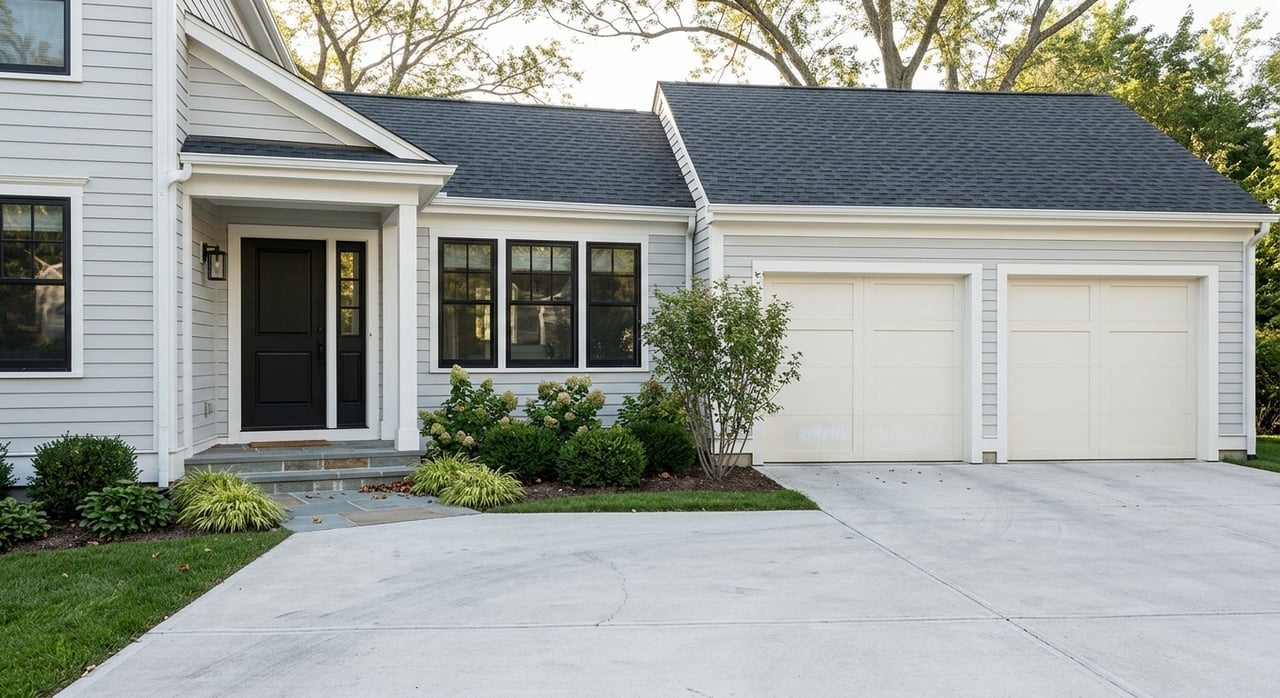
Avon’s housing stock is anchored by single-family homes, with options that range from established neighborhoods to newer subdivisions and estate properties.
Home styles and lot sizes
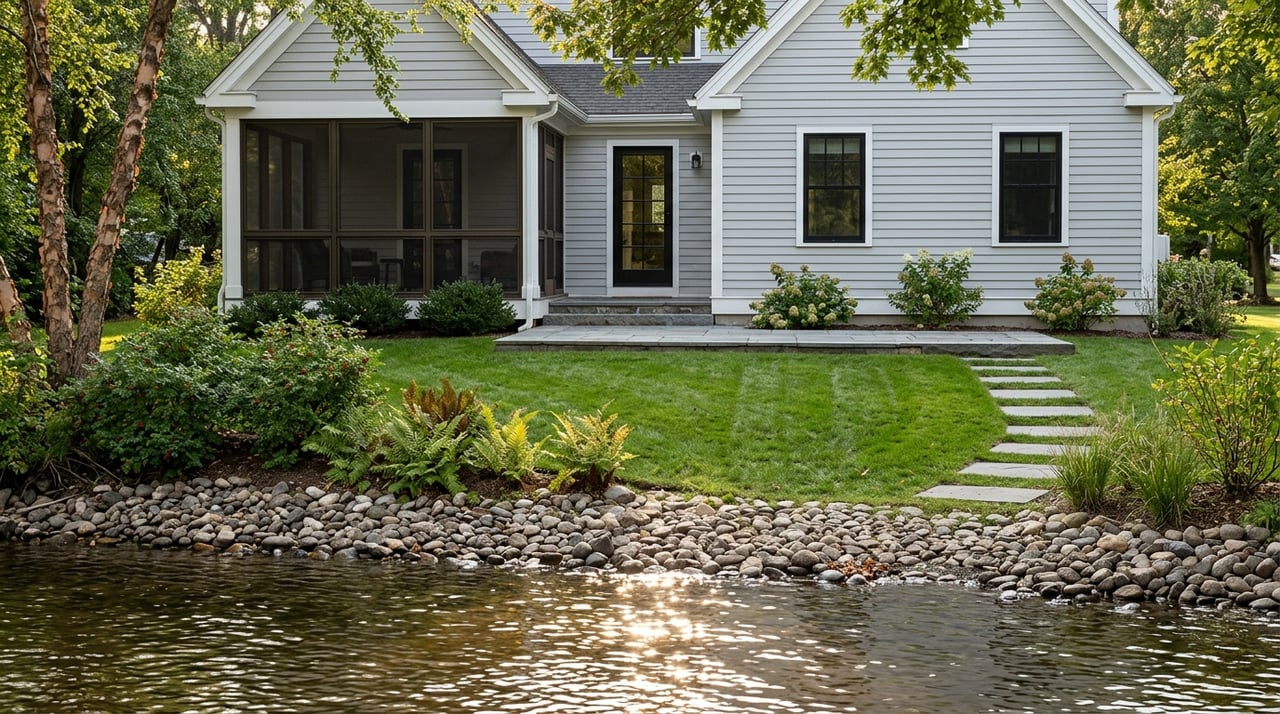
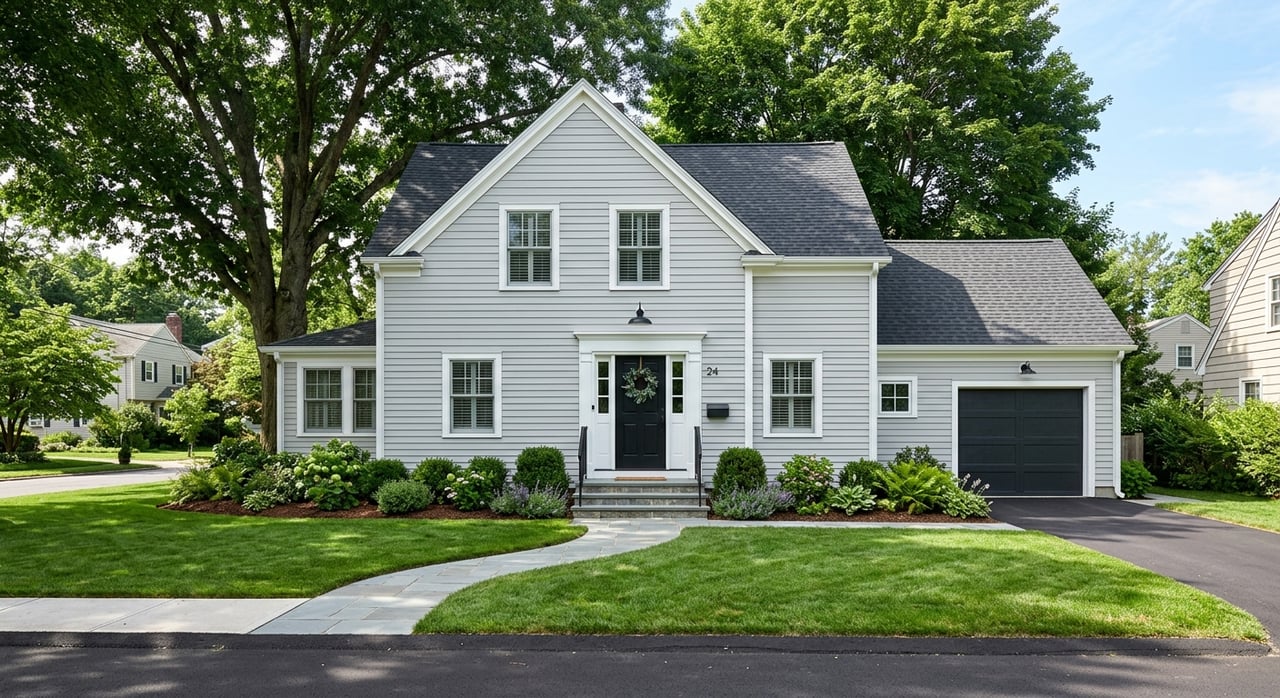
- Common architectural styles include Colonial, Cape Cod, and Ranch, along with mid-20th-century suburban homes.
- You’ll also find high-end custom builds and newer construction in planned developments.
- Lot sizes are typically larger than inner-ring suburbs. Many homes sit on half-acre lots or more. Some areas feature substantial estate parcels with wooded privacy.
Prices and market feel
- Avon is generally above the state median for home prices, reflecting its amenities and location.
- Prices vary widely by neighborhood, home size, lot, age, and updates. Inventory spans from smaller homes and condominiums to multimillion-dollar estates.
- Strong regional school reputation and limited buildable land in the area support steady demand, especially from family buyers.
Neighborhood snapshots
- Avon Center and historic village. A more walkable cluster of shops, town buildings, and historic homes. You get traditional New England charm and closer proximity to cafés and errands.
- West Avon and Route 44 corridor. A convenient, car-oriented area with shopping centers and dining, plus nearby residential neighborhoods. Great for quick errands and easy access to main roads.
- Avon Old Farms and northern areas. Larger lots, woods, and a quieter setting. Many homes sit back from the road with private driveways and more separation between neighbors.
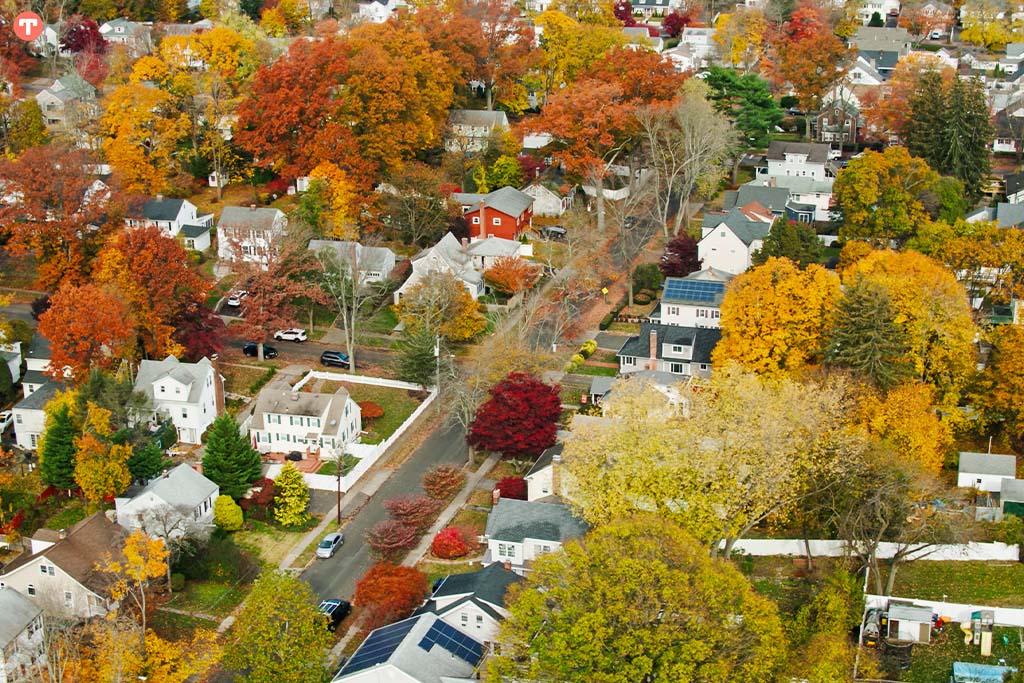
- Newer subdivisions. Cul-de-sacs, sidewalks, and modern construction are common. These neighborhoods often sit near schools and community recreation.
Practical planning for buyers
A few planning points will help you match your wish list to daily life in Avon.
Property taxes and cost of living
- Property taxes vary by town in Connecticut. Avon’s taxes support local services and schools. When budgeting, include taxes, insurance, and seasonal maintenance like snow removal.
Commute trade-offs
- If you commute to Hartford, West Hartford, or I-84, consider where a home sits in relation to Route 44 and key connectors. Commuting from some areas will be faster than from others, especially in winter.
Walkability expectations
- Outside of the village area, most errands require a car. Avon Center is the most walkable hub. If daily walkability is a priority, compare specific streets and neighborhoods.
What to inspect in older homes
- Typical New England items deserve attention: roof age, heating system type and condition, insulation in the attic and basement, and whether the property uses municipal water and sewer or well and septic.
- For longer or steeper driveways, plan for winter access and snow storage.
Schools and education landscape
Avon’s public schools have a strong regional reputation, which is a key reason many families move to town. The district includes elementary through high school with a range of academic and extracurricular offerings. Private and boarding school options add to the mix, notably the Avon Old Farms School. School quality perceptions vary by family and priorities, so it helps to review official district profiles and visit campuses that align with your needs.
Is Avon right for you?
Choose Avon if you want a quiet, residential town with larger lots, convenient access to Hartford-area jobs and amenities, and an active outdoor lifestyle. You will trade some daily walkability for space and privacy, and winter driving will be part of life. In return, you get a balanced suburban setting with trusted schools, community programming, and a range of housing choices from classic Colonials to new builds.
How we help you move with confidence
Buying or selling in the Farmington Valley is easier when you have a partner who knows the streets, the traffic patterns, and the nuances of each neighborhood. As a boutique advisory practice within William Pitt Sotheby’s International Realty, we combine local market expertise with global marketing and concierge-level service. We also offer culturally aware guidance, including resources for Sharia-compliant financing and multilingual support in Arabic and Urdu.
Ready to explore Avon in person or map out a move? Connect with Noora Brown to schedule a consultation and start your plan.
FAQs
How long is the commute from Avon to Hartford?
- Many residents drive about 25 to 35 minutes in normal traffic, with times varying by neighborhood, time of day, and weather.
Does Avon have public transit or commuter rail?
- Avon does not have a commuter rail station. Regional bus and express services operate in the greater Hartford area, often centered on larger hubs in neighboring towns.
Is Avon walkable for daily errands?
- The village center is the most walkable part of town. Outside that area, most errands and commutes assume a car.
What are typical home styles and lot sizes in Avon?
- You’ll see Colonial, Cape Cod, Ranch, and mid-20th-century homes, plus newer construction. Lots are often half an acre or more, with estate parcels in some areas.
How do winters affect daily life in Avon?
- Snow and ice are common, so snow removal and extra drive time are part of winter routines. Route 44 over Avon Mountain can be slower and requires caution during storms.
Where do residents shop, dine, and find healthcare?
- Shopping and dining cluster in the village center and along Route 44. Larger retail and specialty healthcare are nearby in Farmington and Hartford, typically within a 15 to 30 minute drive.
What neighborhoods offer more privacy and space?
- Areas around Avon Old Farms and northern parts of town often feature larger, wooded lots with more separation between homes.
What should I inspect in older New England homes in Avon?
- Focus on roof age, heating systems, insulation, and whether utilities are municipal or well and septic. Evaluate driveway grade and winter access as well.