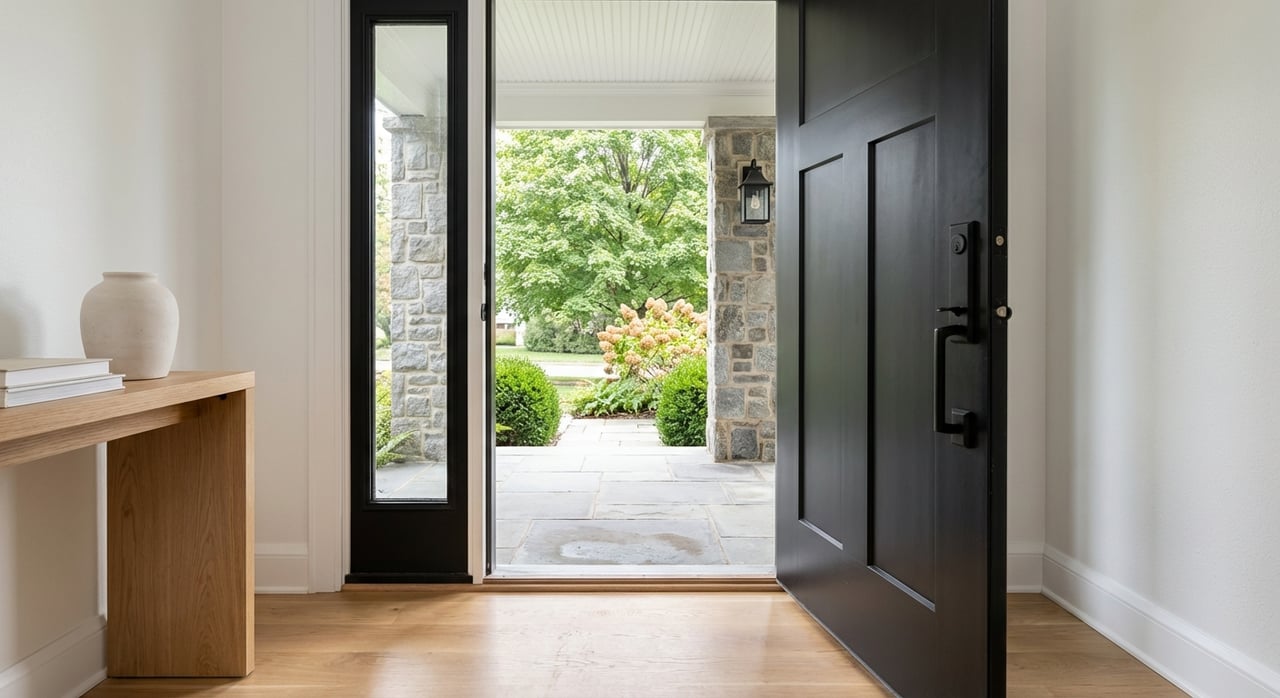
Positioning Your Avon Home For A Standout Sale
February 25, 2026
February 25, 2026
Thinking about selling your home in Avon and wondering how to make it stand out from the moment it hits the market? You are not alone. With buyers screening homes online first and top listings moving quickly, smart preparation and presentation can be the difference between an average result and a standout sale. In this guide, you will learn where to invest, how to price, when to list, and what Connecticut-specific steps to plan for so you can sell with confidence. Let’s dive in.
Multiple data sources show Avon’s market sitting in an upper‑mid price band, with typical home values in the mid‑$500,000s as of late 2025 to early 2026 and median days on market around seven weeks. Sale‑to‑list ratios often track near 100 percent, which means buyers are responding to well‑priced, well‑presented homes. Because portals measure slightly different windows and sample sizes, use these as broad guideposts and rely on a local CMA for precision.
Avon mirrors typical New England seasonality. Buyer activity usually lifts in spring and stays strong through early summer. That makes planning ahead smart. If you want a spring debut, start projects and schedule staging and photos 2 to 6 weeks before your target go‑live date.
A strong price strategy starts with a local comparative market analysis. Ask your agent to model:
Use this data to identify your best list‑price window and to plan any last‑minute tune‑ups that help you beat the competition.
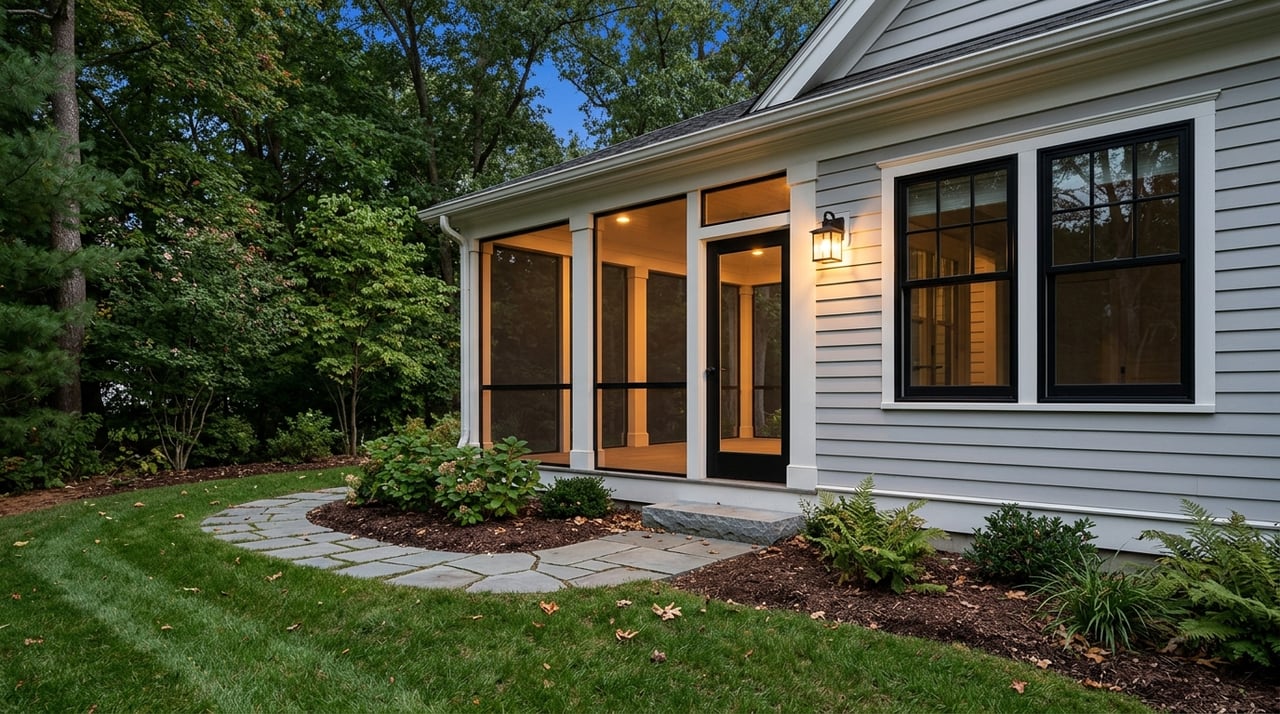
National Cost vs. Value data shows the highest resale recoupment tends to come from curb‑appeal and light‑refresh projects rather than full gut renovations. Focus your budget on improvements buyers feel right away in photos and at the front door. According to Cost vs. Value, these typically deliver strong returns:
These projects show well, photograph beautifully, and support stronger pricing without the cost or timeline of a major remodel.
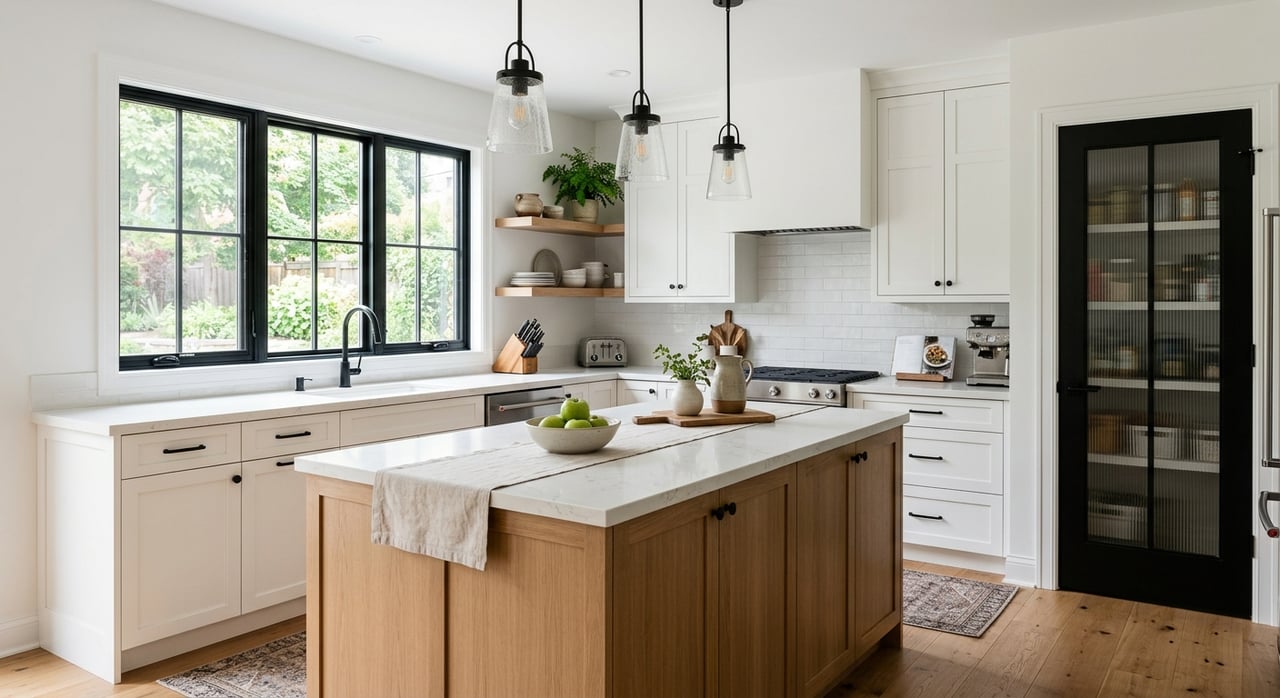
Most buyers begin their search online and value photos and detailed information the most, so your digital first impression needs to be excellent. NAR research shows staging helps buyers visualize a property and is often linked to faster sales and, in some cases, higher prices. See NAR’s take on the shift toward picture‑perfect listings in this staging overview.
Complete staging before photography. You will get better composition, cleaner lines, and images that earn more clicks and more in‑person tours.
If you are staging selectively, prioritize the rooms that carry the most weight with buyers:
Virtual staging can be a helpful option when a home is vacant or budgets are tight. Be sure to follow MLS rules and disclose it in the listing remarks.
Brokerage data and industry analyses consistently show that professionally photographed listings sell faster and can net more than those with amateur photos. Ask your photographer to deliver:
These assets boost click‑through rates and give buyers confidence during their online screening.
Use this step‑by‑step timeline to get market‑ready without the last‑minute scramble.
Today’s buyer journey starts online. NAR’s buyer snapshot confirms that photos, detailed property information, and floor plans are among the most valued website features, and agents remain central to pricing and negotiation. See highlights in NAR’s home buyer infographic.
Ask your listing agent to provide:
Connecticut requires you to provide a Residential Property Condition Disclosure Report to a buyer before they sign a contract. If you do not, the buyer is entitled to a $500 credit at closing. The form covers what you actually know about the property. Review the statute and talk with your attorney if you have questions. Read more in the state law here: Connecticut General Statutes, Chapter 392.
At closing, Connecticut collects a state conveyance tax and, in some towns, an added municipal portion. The closing team files the OP‑236 Real Estate Conveyance Tax Return when the deed records. For rate bands and filing details, consult the Department of Revenue Services guidance on personal taxes and conveyance tax and your closing attorney for exact math.
Plan for real estate commission, state and any municipal conveyance tax, attorney or settlement fees, and prorated items like taxes or HOA dues. Total seller costs often add up to a few percent of the sale price, or roughly 6 to 10 percent when you include commission. Your exact figure will vary based on your agreement and concessions, so confirm with your agent and attorney.
Getting the details right is what makes your home stand out. If you want a boutique, concierge‑level process with luxury‑grade presentation and global reach, let’s talk. Connect with Noora Brown to Schedule a Consultation and build your custom sale plan for Avon.
Stay up to date on the latest real estate trends.

National headlines say the market has shifted. In Farmington and Avon, conditions remain competitive, but the same lesson applies: strategy matters more than momentum.

A new national report says late September is the best week to buy a home in 2026. Here's why that math doesn't hold up in Avon and Farmington — and what to do instead.


A trusted real estate professional known for her integrity, personalized service, and strong commitment to her clients. With deep roots in Connecticut and expert knowledge of Hartford County, she offers valuable insight that helps buyers and sellers make confident, informed decisions. Backed by the global reach of William Pitt-Sotheby’s, she blends local expertise with world-class resources to consistently deliver exceptional results. Whether you're buying your first home or selling a long-time residence, she is dedicated to making your real estate journey smooth, strategic, and successful.